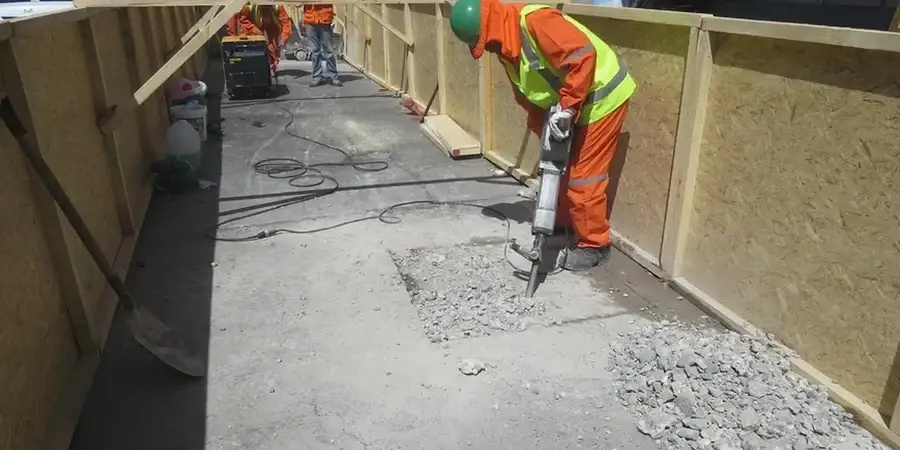
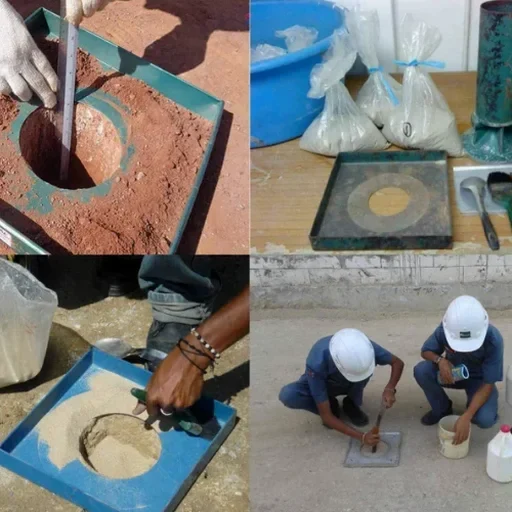
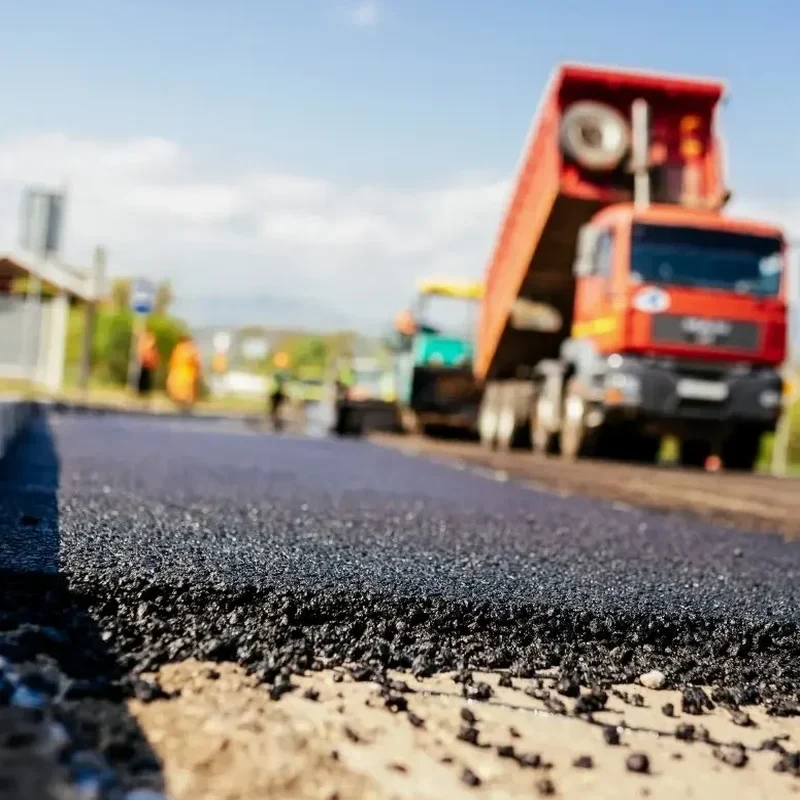
Most people don't realise that Cork's subgrade is a patchwork of glacial tills, river alluvium from the Lee, and pockets of soft limestone marl that can ruin a pavement within two winters. We've pulled cores on the N40 where the base course was saturated just 18 months after opening because the formation wasn't drained properly. At 51.8985°N, the city gets roughly 1,200 mm of rainfall annually, and that water has to go somewhere. Our team approaches flexible pavement design by first asking where the water table sits in October, not June, and then building the layerworks upward from that reality. This isn't about ticking a box for planning; it's about making sure the binder course doesn't crack before the housing estate is even snagged. We tie every CBR road investigation directly to I.S. EN 13285 for unbound mixtures, so the spec isn't just a number on a report but a material that actually arrives on site.
A pavement design that ignores Cork's October water table is a pavement designed to fail by February.