GEOTECHNICAL ENGINEERING
CORK

Geotechnical Engineering in Cork

Geotechnical engineering with regional judgment.

LEARN MORE

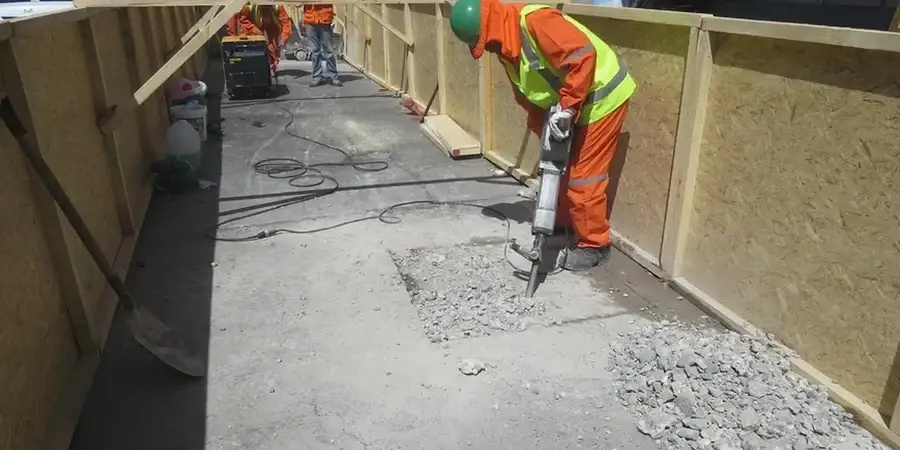
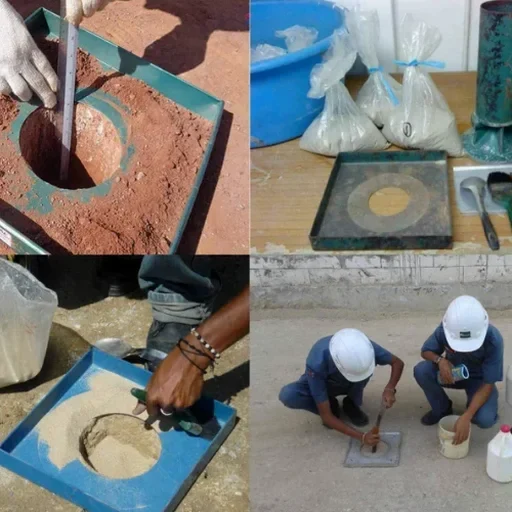
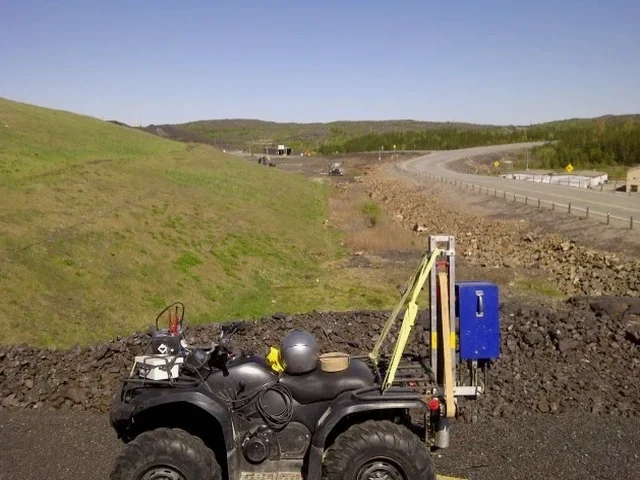
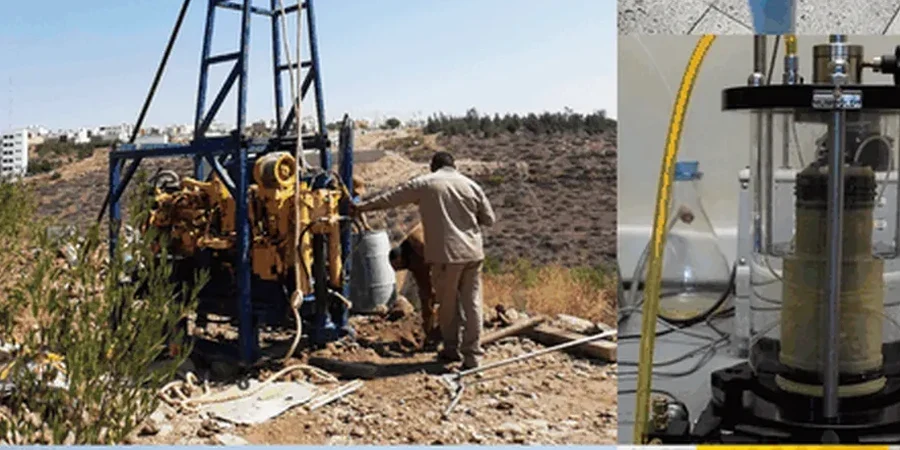
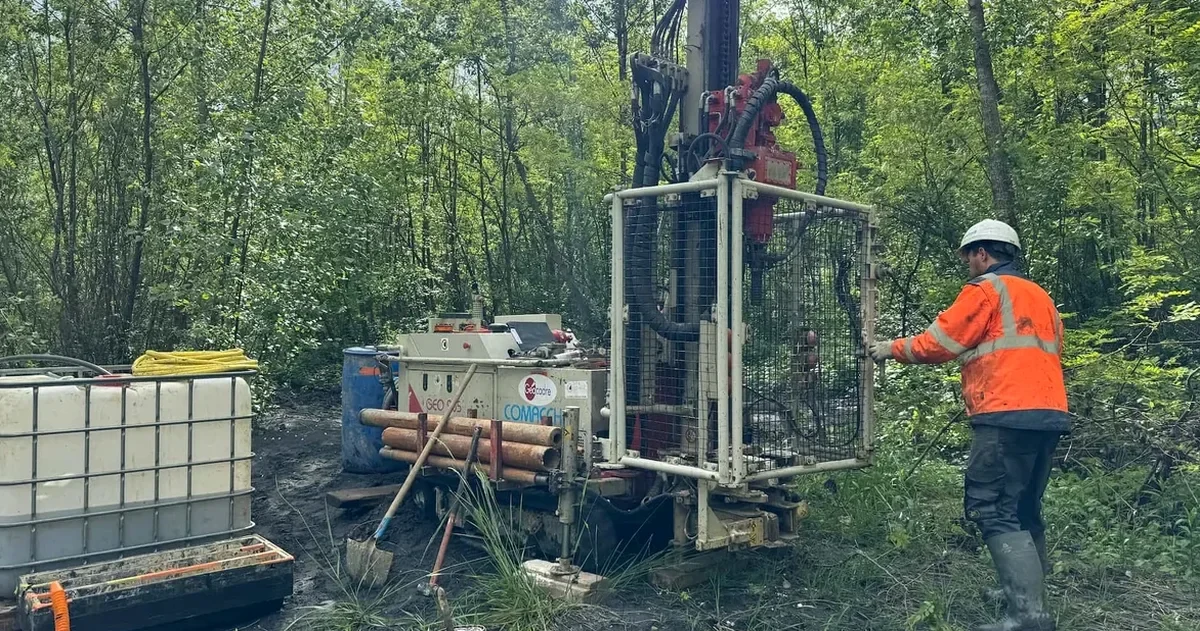
In Cork, the difference between a straightforward build and a costly overrun often sits in the first five metres below ground. The River Lee’s alluvial deposits, hidden pockets of soft silty clay, and the underlying karst limestone create a ground profile that punishes assumptions. A proper soil mechanics study here is not a formality. It decodes the stress history, quantifies consolidation potential, and defines the drained shear strength parameters that govern foundation performance. The lab work runs in parallel with field sampling—splitting, sieving, and shearing specimens until a clear picture emerges. For sites near the Marina or up in Blackpool, where fill thickness varies wildly, the data from a CPT test often complements the lab programme, giving a continuous profile before a single borehole is interpreted.

Cork's ground doesn't reveal itself in a single borehole log—it demands stress-path testing and a clear view of the Lee valley's depositional history.
Geotechnical Engineering in Cork
Technical reference — Cork

Our service areas

Local geology

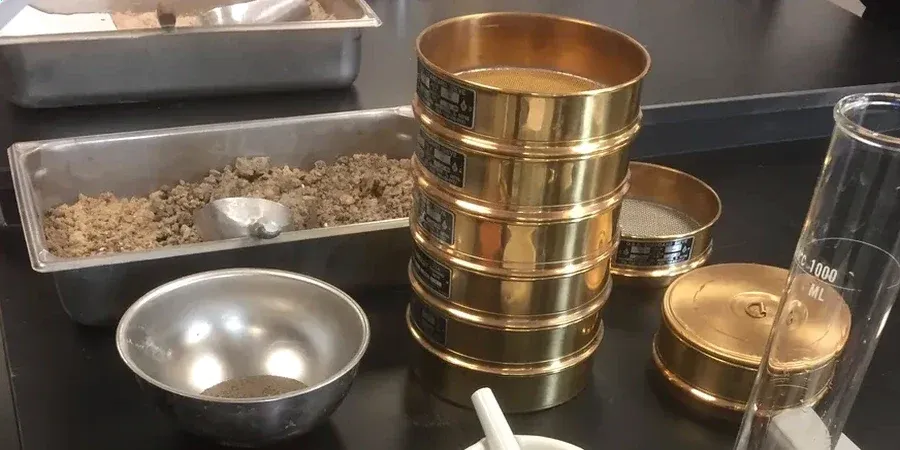
Cork’s expansion over centuries—from a marshy trading post on islands to a modern city bridging the Lee valley—has left a layered subsurface. Medieval ground raising, 19th-century dockland reclamation, and 21st-century brownfield backfill all sit cheek by jowl. A soil mechanics study strips this history back to numbers: effective cohesion, angle of internal friction, overconsolidation ratio. The laboratory runs consolidated-undrained triaxial tests on Shelby tube samples taken beneath the weathered limestone crust. Oedometer tests measure the compression index directly, because guessing settlement on Cork’s normally consolidated silts leads to oversized raft foundations. Grain-size curves from hydrometer analysis flag the clay fraction that controls drainage and long-term creep. When a site straddles the boundary between glacial till and river terrace gravels, the testing schedule doubles, but the resulting design parameters carry the certainty that Eurocode 7 requires.

Applicable standards

I.S. EN 1997-1:2005 (Eurocode 7: Geotechnical design – General rules), I.S. EN 1997-2:2007 (Eurocode 7: Ground investigation and testing), I.S. EN ISO 17892 series (Geotechnical laboratory testing, including triaxial and oedometer), I.S. EN ISO 14688 (Identification and classification of soil)

Need a geotechnical assessment?

Reply within 24h.

Email: contact@geotechnical-engineering.co

Why choose us

A mid-rise apartment block near the South Mall hit unexpected soft grey silt at 4.5 m depth. The boreholes had stopped at competent gravel, but the lens was lens-shaped—missed by the grid. Differential settlement cracked the stair core within two years. A soil mechanics study with closer-spaced sampling and oedometer testing would have caught the compressible layer early, allowing a ground improvement decision before the raft was poured. Cork’s buried channels, remnants of the Lee’s old course through the city centre, amplify this risk. Without a clear effective stress profile, contractors face excavation instability and long-term serviceability claims. The study links lab-measured stiffness directly to settlement predictions, cutting the guesswork that haunts post-construction disputes.

Reference parameters

ParameterTypical value
Effective friction angle (φ')27°–34° (glacial till, dense)
Undrained shear strength (cu)20–80 kPa (alluvial silty clay)
Compression index (Cc)0.15–0.40 (normally consolidated silt)
Coefficient of consolidation (cv)1–8 m²/year
Soil unit weight (γ)17.5–21.0 kN/m³
Permeability (k)1×10⁻⁹ to 1×10⁻⁶ m/s
Overconsolidation ratio (OCR)1.0–4.0 (varies with depth)

Frequently asked questions

How long does a full soil mechanics study take for a typical Cork site?

Turnaround depends on the testing suite. Standard index tests and a basic triaxial programme often take 10–14 working days from sample receipt. If multiple oedometer tests and stress-path triaxials are needed, expect up to four weeks. We schedule work to meet planning submission deadlines.

What does a soil mechanics study cost in Cork?

A comprehensive laboratory programme, including triaxial, oedometer, and classification tests on samples from two or three boreholes, typically ranges from €2,880 to €4,940. The exact figure depends on the number of specimens and the complexity of the testing required.

Can you test Cork's glacial till without disturbing the sample?

Yes. Shelby tube samples taken with care preserve the structure of the till. In the lab, we trim specimens under controlled humidity and run consolidated-undrained triaxial tests to capture the drained strength parameters without remoulding effects. For stony zones, block sampling is sometimes used.

Location and service area

We serve projects in Cork and surrounding areas.

View larger map